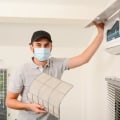
Air duct cleaning is a crucial aspect of maintaining a healthy indoor environment. Over time, dust, allergens, and other contaminants can accumulate in the ductwork of your heating and cooling systems, potentially affecting the quality of the air you breathe. This buildup can lead to various health issues, particularly for individuals with respiratory conditions or allergies. Therefore, understanding the importance of vent cleaning is essential for homeowners who wish to ensure their living spaces remain safe and comfortable.The process of air duct cleaning involves the thorough removal of debris from the ducts, which can include dust, mold spores, pet dander, and even insects.
These contaminants not only compromise indoor air quality but can also hinder the efficiency of your HVAC system. When ducts are clogged with dirt and debris, your heating and cooling systems must work harder to maintain desired temperatures, leading to increased energy consumption and higher utility bills. Regular cleaning can help mitigate these issues, promoting better airflow and system efficiency.Moreover, air duct cleaning is not just about improving air quality; it also plays a significant role in prolonging the lifespan of your HVAC system. By ensuring that your ducts are clean and free from obstructions, you reduce wear and tear on the system components.
This proactive maintenance can save you money in the long run by minimizing repair costs and extending the life of your equipment.As we delve deeper into this topic, it’s important to consider the methods used in air duct cleaning, particularly the use of chemicals. While some service providers may recommend chemical treatments to enhance cleanliness or prevent microbial growth, understanding their implications is vital. In the following sections, we will explore these chemicals' safety and effectiveness in detail, providing you with a comprehensive view of what air duct cleaning entails.
The Role of Chemicals in Air Duct Cleaning
When it comes to air duct cleaning, the use of chemicals can play a significant role in enhancing the effectiveness of the cleaning process. However, understanding the types of chemicals used, their purposes, and safety considerations is crucial for homeowners and service providers alike.Types of Chemicals Used in Air Duct Cleaning
- Chemical Biocides: These are designed to eliminate microbiological contaminants such as mold, bacteria, and viruses that may reside within the ductwork.
Biocides can be effective in reducing the risk of airborne pathogens, but their application should be approached with caution.
- Disinfectants: Often used after physical cleaning, disinfectants help to sanitize surfaces within the ducts. They can kill remaining germs and prevent future growth of mold and bacteria.
- Sealants and Encapsulants: These products are applied to duct surfaces to prevent the release of dust particles or fibers into the air. They can also inhibit mold growth by creating a barrier against moisture.
Intended Purposes of Duct Cleaning Chemicals
The primary goal of using chemicals in air duct cleaning is to improve indoor air quality by eliminating harmful contaminants. While physical cleaning removes dust and debris, chemicals can address microbial threats that may not be visible.
This dual approach can lead to a more thorough cleaning process.
Safety Considerations
While many chemicals used in air duct cleaning are effective, safety must always be a priority. Here are some key considerations:
- Professional Application: It is essential that these chemicals are applied by trained professionals who understand their proper use and potential hazards. Improper application can lead to health risks or damage to the HVAC system.
- Ventilation: Adequate ventilation during and after the application of chemicals is crucial. This helps to dissipate any harmful fumes and ensures that indoor air quality remains safe.
- Material Safety Data Sheets (MSDS): Always request MSDS for any chemicals used during the cleaning process.
These documents provide important information about handling, potential hazards, and first aid measures.
Common Misconceptions About Air Duct Cleaning Chemicals
When it comes to air duct cleaning, there are numerous myths and misconceptions that can cloud judgment and lead to poor decision-making. Understanding these misconceptions is crucial for homeowners considering duct cleaning services. Here, we will clarify some of the most common myths surrounding air duct cleaning chemicals.Myth 1: All Air Duct Cleaning Chemicals Are Harmful
One prevalent misconception is that all chemicals used in air duct cleaning are toxic or harmful to health.In reality, many professional-grade cleaning agents are specifically formulated to be safe for use in residential systems. These products are designed to eliminate contaminants without posing risks to indoor air quality. However, it is essential to ensure that any chemicals used are approved for HVAC systems and applied by trained professionals.
Myth 2: Chemical Treatments Are Always Necessary
Another common myth is that chemical treatments are a mandatory part of the air duct cleaning process. While some situations may warrant the use of biocides or sealants, they are not universally required.In many cases, thorough mechanical cleaning can effectively remove dust and debris without the need for additional chemicals. Homeowners should consult with a qualified technician to determine the best approach for their specific circumstances.
Myth 3: Chemicals Can Replace Proper Cleaning
Some believe that applying chemicals can substitute for actual cleaning. This is misleading; while certain chemicals can help disinfect or prevent mold growth, they do not replace the need for physical cleaning of ducts. Mechanical removal of dirt and debris is essential for maintaining system efficiency and ensuring good indoor air quality.Myth 4: Chemical Residue Is a Concern
Many homeowners worry about chemical residues left behind after duct cleaning.When performed by professionals who follow industry standards, the risk of harmful residues is minimal. Reputable service providers ensure that all products used are thoroughly rinsed or ventilated out of the system, leaving your ducts clean and safe.
Myth 5: Duct Cleaning Chemicals Are Ineffective
Lastly, some people believe that chemicals used in duct cleaning do not work effectively. This misconception often stems from improper application or lack of understanding about how these products function. When used correctly, appropriate chemical treatments can enhance the overall effectiveness of the cleaning process by targeting specific contaminants.In conclusion, separating fact from fiction regarding air duct cleaning chemicals is vital for making informed decisions about your home's air quality.By understanding these common misconceptions, homeowners can better navigate their options and choose the right services for their needs.
The Environmental Protection Agency (EPA) Guidelines
The Environmental Protection Agency (EPA) plays a crucial role in establishing guidelines and recommendations regarding air duct cleaning and the use of chemicals in this process. Understanding these guidelines is essential for homeowners who are considering whether to clean their air ducts and how to do so safely.According to the EPA, air duct cleaning should not be a routine practice but rather performed only when necessary. The agency emphasizes that there is no conclusive evidence that regular cleaning of air ducts prevents health problems or improves indoor air quality. Instead, the EPA suggests that homeowners should focus on maintaining their heating and cooling systems to prevent contamination.One of the key recommendations from the EPA is to ensure that any service provider you choose for air duct cleaning follows proper procedures.This includes using appropriate equipment and techniques to minimize the release of dust and contaminants back into your home. The EPA advises homeowners to ask potential service providers about their methods and whether they adhere to industry standards.In addition, the EPA highlights the importance of using chemicals cautiously. While some service providers may suggest using chemical biocides or sealants to eliminate microbial contaminants or prevent mold growth, these practices have not been thoroughly researched. Homeowners should be wary of such treatments unless they are applied after a thorough cleaning of all visible dust and dirt.Furthermore, the EPA recommends that if you have appliances that burn fuel, such as gas stoves or fireplaces, these should be inspected regularly to prevent carbon monoxide poisoning.
This underscores the importance of maintaining overall indoor air quality rather than solely focusing on duct cleaning.In summary, the EPA's guidelines stress that while air duct cleaning can be beneficial under certain circumstances, it should be approached with caution. Homeowners are encouraged to prioritize preventive measures and consult with qualified professionals who can provide tailored advice based on their specific situations.
Evaluating the Need for Air Duct Cleaning
Determining whether your air ducts require cleaning is essential for maintaining a healthy indoor environment. While the Environmental Protection Agency (EPA) does not recommend routine cleaning, there are specific signs that indicate when it might be necessary.Signs You Need Duct Cleaning
- Visible Dust and Debris: If you notice a significant buildup of dust around your vents or on your furniture, it may be time to consider duct cleaning. Dust accumulation can indicate that your ducts are harboring more dirt than is visible.
- Unpleasant Odors: Foul smells emanating from your HVAC system can be a sign of mold or mildew growth within the ducts.
If you detect musty or stale odors, it’s crucial to investigate further.
- Allergies and Respiratory Issues: If family members experience increased allergy symptoms or respiratory problems, such as coughing or sneezing, it could be linked to contaminants in the air ducts. Cleaning may help alleviate these issues.
- Pest Infestations: The presence of rodents or insects in your home can lead to debris and droppings accumulating in the ducts. If you suspect pests, cleaning is necessary to remove any harmful contaminants they may leave behind.
Benefits of Duct Cleaning
Cleaning your air ducts can offer several advantages:- Improved Indoor Air Quality: By removing dust, allergens, and other pollutants from your ducts, you can enhance the overall air quality in your home, making it safer for everyone.
- Increased Energy Efficiency: Clean ducts allow for better airflow, which can improve the efficiency of your heating and cooling systems. This may lead to lower energy bills over time.
- Extended HVAC Lifespan: Regular maintenance, including duct cleaning, can help prolong the life of your HVAC system by reducing strain caused by blockages and buildup.
Consulting with a qualified professional can provide tailored advice based on your specific situation and help ensure that any cleaning performed is effective and safe.
Choosing a Professional Air Duct Cleaning Service
When it comes to maintaining a healthy indoor environment, selecting a qualified air duct cleaning service is crucial. With numerous companies offering these services, it can be challenging to determine which one is right for your needs. Here are some essential factors to consider when choosing a professional duct cleaning service.1.Research and Reviews
- Start by researching local companies that specialize in vent cleaning. Look for online reviews and testimonials from previous customers to gauge their reputation.
- Check platforms like Google, Yelp, or Angie's List for ratings and feedback.
A company with consistently positive reviews is likely to provide quality service.
2.Certifications and Experience
- Ensure that the company you choose has the necessary certifications, such as those from the National Air Duct Cleaners Association (NADCA). This indicates that they adhere to industry standards.
- Experience matters; inquire about how long the company has been in business and their expertise in duct cleaning.
3.Questions to Ask
- What methods do you use for cleaning? Understanding their cleaning process can help you assess its effectiveness and safety.
- Do you use any chemicals? If so, ask about the types of chemicals used and their safety for indoor air quality.
- Can you provide references? A reputable company should be willing to share contact information for past clients who can vouch for their work.
- What is included in your service? Clarify what the service entails, including whether they clean only the ducts or other components of the HVAC system.
- Do you offer a satisfaction guarantee? A guarantee can provide peace of mind that the job will be done correctly.
4.Get Multiple Estimates
Don’t settle for the first estimate you receive. Contact several companies to compare prices and services offered. This will give you a better understanding of the market rate and help you make an informed decision.
5.Trust Your Instincts
If something feels off during your interactions with a company, trust your instincts.
A professional service provider should be transparent, communicative, and willing to address your concerns.Selecting the right air duct cleaning service can significantly impact your home's air quality and overall comfort. By following these guidelines, you can ensure that you choose a qualified provider who meets your needs effectively.
Potential Risks of Improper Air Duct Cleaning Practices
While air duct cleaning can offer benefits, improper practices can lead to significant risks that may compromise indoor air quality and overall health. Understanding these potential pitfalls is crucial for homeowners considering duct cleaning services.1.Release of Contaminants
One of the most alarming consequences of inadequate duct cleaning is the potential release of dust, mold spores, and other contaminants back into the living space. If a service provider uses subpar equipment or techniques, they may inadvertently disturb settled particles, causing them to circulate in the air.
This can exacerbate allergies and respiratory issues for occupants.
2.Damage to Ductwork
Improper cleaning methods can also physically damage the ductwork itself. For instance, using aggressive brushes or high-pressure air can create tears or loosen joints, leading to air leaks. These leaks not only reduce system efficiency but can also allow unfiltered air from attics or crawl spaces to enter the home, introducing additional pollutants.
3.Increased Energy Costs
When ducts are not cleaned properly, the heating and cooling systems may have to work harder to maintain desired temperatures. This inefficiency can lead to increased energy consumption and higher utility bills.
Homeowners may find themselves facing unexpected costs due to a poorly maintained HVAC system.
4.Growth of Mold and Bacteria
If moisture is introduced during the cleaning process—whether from inadequate drying techniques or the use of water-based cleaning solutions—there is a risk of mold and bacteria growth within the ducts. This not only poses health risks but can also lead to unpleasant odors throughout the home.
5.Misleading Claims by Service Providers
Some companies may make exaggerated claims about their cleaning methods or the necessity of frequent cleanings. Homeowners should be cautious and conduct thorough research before hiring a service provider. It’s essential to choose a reputable company that follows industry standards and guidelines.In conclusion, while air duct cleaning can be beneficial when performed correctly, improper practices can lead to serious consequences for indoor air quality and overall health.
Homeowners should prioritize hiring qualified professionals who adhere to best practices in order to avoid these risks.
Best Practices for Maintaining Clean Air Ducts Without Chemicals
Maintaining clean air ducts is essential for ensuring good indoor air quality and the efficient operation of your heating and cooling systems. While some may consider using chemicals for duct cleaning, there are effective non-chemical methods that can help keep your air ducts clean and free from contaminants. Here are some best practices to follow:- Regular Inspections: Schedule regular inspections of your air ducts to identify any signs of dirt accumulation or potential blockages. This proactive approach allows you to address issues before they escalate.
- Change Air Filters Frequently: One of the simplest yet most effective ways to maintain clean air ducts is by changing your HVAC system's air filters regularly.
Depending on usage, filters should be replaced every 1-3 months to prevent dust and debris from circulating through the system.
- Seal Ducts Properly: Ensure that all duct connections are sealed tightly. Leaky ducts can allow dust and pollutants to enter the system, leading to contamination. Use mastic sealant or metal tape to secure joints and prevent leaks.
- Control Humidity Levels: High humidity can promote mold growth within ducts. Use dehumidifiers in areas prone to moisture, such as basements, to maintain optimal humidity levels and reduce the risk of mold contamination.
- Keep Vents Clear: Regularly check and clean your vents to ensure they are not obstructed by furniture, curtains, or other items.
Blocked vents can restrict airflow and lead to increased dust accumulation.
- Use a Vacuum with HEPA Filters: When cleaning around vents and registers, use a vacuum equipped with a HEPA filter. This type of vacuum captures small particles effectively, preventing them from being released back into the air.
- Schedule Professional Cleanings: While this may seem counterintuitive to avoiding chemicals, hiring a professional service for periodic deep cleaning can be beneficial. Ensure they use non-toxic methods and equipment designed for safe duct cleaning.
Conclusion: Making Informed Decisions About Air Duct Cleaning Chemicals
In conclusion, the discussion surrounding air duct cleaning and the use of chemicals in this process is complex and multifaceted.As we have explored, while there are potential benefits to cleaning air ducts, particularly in improving system efficiency, the necessity and safety of using chemical treatments remain contentious topics.It is crucial for homeowners to approach vent cleaning with a well-informed perspective. Here are some key takeaways to consider:
- Understand the Risks and Benefits: Before deciding on air duct cleaning, weigh the potential health benefits against the risks associated with chemical use. Not all chemicals are created equal, and some may pose health risks if not applied correctly.
- Consult Professionals: Engaging with qualified professionals who understand both the technical aspects of vent cleaning and the implications of chemical use is essential. They can provide tailored advice based on your specific situation.
- Follow EPA Guidelines: The Environmental Protection Agency (EPA) offers valuable resources that can guide homeowners in making informed decisions about air duct cleaning.
Familiarize yourself with their recommendations to ensure you are taking appropriate steps.
- Prioritize Preventative Measures: Maintaining your heating and cooling systems through regular inspections and proper maintenance can often mitigate the need for extensive duct cleaning. This proactive approach can help prevent contamination before it becomes a significant issue.
- Be Cautious with Chemicals: If you opt for chemical treatments, ensure they are specifically designed for use in HVAC systems and that they are applied by trained professionals. Improper use can lead to more harm than good.