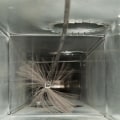
Indoor air quality (IAQ) is a critical yet often overlooked aspect of our living environments. It refers to the quality of the air within and around buildings, particularly as it relates to the health and comfort of the occupants. With many people spending up to 90% of their time indoors, understanding the factors that influence IAQ is essential for maintaining a healthy home. Poor indoor air quality can stem from various sources, including dust, mold, pet dander, and volatile organic compounds (VOCs) emitted from household products.
These pollutants can accumulate in our living spaces, leading to a range of health issues.The significance of air quality cannot be overstated. Studies have shown that poor IAQ can exacerbate existing health conditions, particularly respiratory ailments such as asthma and allergies. Symptoms like coughing, sneezing, and fatigue can often be traced back to the air we breathe indoors. Furthermore, long-term exposure to contaminated air can lead to more severe health problems, including cardiovascular diseases and neurological disorders.
This makes it imperative for homeowners to take proactive measures in ensuring their indoor environments are as clean and safe as possible.One of the most effective ways to enhance indoor air quality is through regular maintenance of your HVAC system, particularly vent cleaning. Air ducts serve as the lungs of your home, circulating air throughout each room. When these ducts become clogged with dust and debris, they not only hinder airflow but also act as a reservoir for allergens and pollutants. By prioritizing air duct cleaning, you can significantly reduce the presence of harmful particles in your home, thereby improving overall health and well-being.
What is Vent Cleaning?
Vent cleaning
is a crucial maintenance process that involves the thorough cleaning of the air ducts and vents in your HVAC (Heating, Ventilation, and Air Conditioning) system.
Over time, dust, dirt, allergens, and other contaminants accumulate within these ducts, which can significantly impact the quality of the air circulating throughout your home. Regular vent cleaning not only enhances indoor air quality but also promotes the efficient operation of your HVAC system.The process of vent cleaning typically includes several steps:
- Inspection: A professional technician will first inspect your air ducts to assess their condition and identify any areas that require special attention.
- Preparation: Before cleaning begins, the technician will prepare the area by covering furniture and flooring to protect them from dust and debris.
- Cleaning: Using specialized equipment such as high-powered vacuums and brushes, the technician will remove dust, dirt, and other contaminants from the ducts. This may also include cleaning the registers and grilles.
- Sanitization: In some cases, a sanitizing agent may be applied to eliminate any remaining bacteria or mold spores.
- Final Inspection: After cleaning, a final inspection ensures that all contaminants have been removed and that the system is functioning properly.
- Improved Indoor Air Quality: By removing pollutants from your air ducts, you can significantly enhance the quality of the air you breathe at home. This is especially important for individuals with allergies or respiratory conditions.
- Increased Energy Efficiency: A clean HVAC system operates more efficiently, which can lead to lower energy bills.
When dust and debris accumulate in the ducts, it forces the system to work harder to maintain desired temperatures.
- Extended Lifespan of HVAC Equipment: Regular maintenance, including vent cleaning, can prolong the life of your HVAC system by reducing wear and tear caused by dirt buildup.
- Reduction in Allergens: Cleaning your vents helps minimize allergens such as pollen, pet dander, and mold spores that can trigger allergic reactions or asthma attacks.
- Elimination of Odors: Dust and debris trapped in air ducts can produce unpleasant odors. Cleaning helps eliminate these smells, resulting in a fresher indoor environment.
The Connection Between Air Ducts and Indoor Air Quality
Indoor air quality is significantly influenced by the condition of your air ducts. These ducts serve as the pathways for heated or cooled air to circulate throughout your home, but when they are contaminated, they can become a source of various pollutants that compromise the air you breathe.One of the most common issues associated with dirty air ducts is the accumulation of dust and debris.Over time, dust particles can build up within the ducts, creating a reservoir for allergens such as pollen, pet dander, and mold spores. When your HVAC system operates, these particles are disturbed and released back into your living space, leading to increased exposure to allergens.In addition to dust, air ducts can harbor more serious contaminants. Mold is a particularly concerning pollutant that thrives in damp environments. If moisture enters your ductwork—whether from leaks, high humidity, or condensation—it can create an ideal breeding ground for mold.
When mold spores are released into the air, they can trigger respiratory issues and allergic reactions in sensitive individuals.Another common pollutant found in air ducts is volatile organic compounds (VOCs). These compounds are emitted from various household products such as paints, cleaning agents, and even furniture. When these VOCs accumulate in your air ducts, they can contribute to poor indoor air quality and may lead to symptoms like headaches, dizziness, and irritation of the eyes and throat.Furthermore, pests such as rodents and insects can also find their way into your ductwork. As they nest and die within the ducts, they leave behind droppings and decomposing matter that can release harmful bacteria and odors into your home.
This not only affects air quality but can also pose health risks to you and your family.To summarize, the connection between air ducts and indoor air quality is profound. Regular vent cleaning is essential to remove these pollutants and ensure that the air circulating in your home is clean and safe. By maintaining clean air ducts, you can significantly improve your indoor environment and protect the health of everyone in your household.
Health Risks Associated with Dirty Air Ducts
Maintaining clean air ducts is crucial for ensuring a healthy indoor environment. When air ducts are neglected, they can become a source of various health risks that affect the well-being of everyone in the household.Understanding these risks can motivate homeowners to prioritize vent cleaning as part of their regular home maintenance.
Respiratory Issues
One of the most significant health concerns associated with dirty air ducts is the exacerbation of respiratory issues. Pollutants such as dust, pollen, pet dander, and mold spores can accumulate in the ductwork and be circulated throughout the home. When inhaled, these contaminants can trigger a range of respiratory problems, including:
- Asthma attacks: For individuals with asthma, exposure to allergens can lead to severe attacks, resulting in difficulty breathing and other serious complications.
- Chronic cough: Persistent coughing can be a direct result of inhaling irritants from dirty air ducts.
- Allergic reactions: Symptoms such as sneezing, nasal congestion, and itchy eyes can be aggravated by airborne allergens originating from unclean ducts.
Skin Conditions
In addition to respiratory issues, dirty air ducts can also contribute to skin problems. The presence of mold and other irritants in the air can lead to:
- Eczema flare-ups: Individuals with eczema may find that their symptoms worsen due to exposure to mold spores and dust mites.
- Rashes and hives: Skin irritation caused by allergens can manifest as rashes or hives, leading to discomfort and distress.
Pest Infestations
A less obvious but equally concerning risk associated with dirty air ducts is the potential for pest infestations.
Dust and debris accumulation creates an inviting environment for pests such as:
- Rodents: Mice and rats may nest in ductwork, posing health risks through droppings and urine that can contaminate the air.
- Insects: Cockroaches and other insects thrive in dirty environments, potentially spreading allergens and pathogens throughout your home.
Signs Your Air Ducts Need Cleaning
Recognizing the signs that your air ducts need cleaning is essential for maintaining a healthy indoor environment. Ignoring these indicators can lead to a decline in air quality and potential health issues for you and your family.Here are some key signs to watch for:
- Increased Allergies and Respiratory Issues: If you or your family members are experiencing heightened allergy symptoms, such as sneezing, coughing, or nasal congestion, it may be time to inspect your air ducts. Pollutants like dust, mold, and pet dander can accumulate in the ducts and circulate throughout your home, exacerbating respiratory conditions.
- Unpleasant Odors: A musty or moldy smell emanating from your vents is a clear indication that your air ducts may be harboring mold or other contaminants. This odor can become more pronounced when the HVAC system is running, signaling that it’s time for a thorough cleaning.
- Visible Dust and Debris: If you notice a significant buildup of dust around your home, particularly on surfaces near vents, this could indicate that your air ducts are dirty. Dust particles can easily circulate through the system and settle on furniture and floors.
- Increased Energy Bills: A dirty HVAC system has to work harder to maintain the desired temperature in your home.
If you notice a sudden spike in your energy bills without any changes in usage, it might be due to clogged air ducts affecting system efficiency.
- Pest Infestations: The accumulation of dust and debris in air ducts can create an inviting environment for pests like rodents and insects. If you see signs of vermin or hear unusual noises coming from your vents, it’s crucial to address the cleanliness of your air ducts.
- Age of Your System: If your HVAC system is older than five years and has never been cleaned, it’s advisable to schedule a professional inspection. Over time, dust and allergens can build up significantly, impacting both air quality and system performance.
The Process of Air Duct Cleaning
Understanding the air duct cleaning process is essential for homeowners looking to improve their indoor air quality.Professional vent cleaning services follow a systematic approach to ensure that your air ducts are thoroughly cleaned and free from contaminants.The first step in the process is a comprehensive inspection of your HVAC system. Qualified technicians will assess the condition of your air ducts, looking for signs of dust buildup, mold growth, or pest infestations. This initial evaluation helps them determine the extent of cleaning required and identify any potential issues that may need addressing.Once the inspection is complete, the technicians will prepare for the cleaning process. This typically involves sealing off the vents in your home to prevent dust and debris from escaping into your living spaces.
They may also use specialized equipment to create negative pressure within the ductwork, which helps to dislodge contaminants.The actual cleaning process involves several key steps:
- Vacuuming: Using powerful vacuums equipped with HEPA filters, technicians will remove loose dust and debris from the ducts.
- Brushing: Mechanical brushes may be used to scrub the interior surfaces of the ducts, dislodging stubborn dirt and grime.
- Sanitizing: After physical cleaning, some services apply a sanitizing agent to eliminate any remaining bacteria or mold spores.
- Final Inspection: Once cleaning is complete, a final inspection ensures that all areas have been adequately addressed and that your air ducts are now clean.
DIY vs.
Professional Air Duct Cleaning: What You Need to KnowWhen it comes to maintaining a healthy indoor environment, vent cleaning is essential. Homeowners often face the decision of whether to tackle air duct cleaning themselves or hire a professional service. Each approach has its own set of advantages and disadvantages that can significantly impact the effectiveness of the cleaning process.
DIY Air Duct Cleaning
Many homeowners consider DIY air duct cleaning as a cost-effective solution. With the right tools and some basic knowledge, it is possible to clean your air ducts without professional help.Here are some pros and cons:
- Pros:
- Cost Savings: The most significant advantage is the potential for saving money on labor costs.
- Control: You have complete control over the cleaning process, allowing you to focus on areas you believe need the most attention.
- Convenience: You can schedule the cleaning at your convenience without needing to coordinate with a service provider.
- Cons:
- Lack of Expertise: Without professional training, you may miss critical areas or fail to remove all contaminants.
- Safety Risks: Climbing ladders or working in tight spaces can pose safety hazards.
- Limited Equipment: DIY methods often rely on basic tools that may not be as effective as professional-grade equipment.
Professional Air Duct Cleaning
On the other hand, hiring a professional service for air duct cleaning offers several benefits that can outweigh the costs involved. Here’s what you should consider:- Pros:
- Thorough Cleaning: Professionals use specialized equipment and techniques that ensure a deep clean, removing dust, allergens, and mold effectively.
- Expert Knowledge: Trained technicians can identify issues that may not be apparent to an untrained eye, such as signs of mold growth or pest infestations.
- Time Efficiency: Professionals can complete the job much faster than a DIY effort, allowing you to return to your normal routine sooner.
- Cons:
- Cost: Professional services can be expensive, which may deter some homeowners from opting for this route.
- Scheduling Issues: You may need to work around the availability of the service provider, which could delay the cleaning process.
How Often Should You Clean Your Air Ducts?
Determining how often to clean your air ducts is essential for maintaining optimal indoor air quality. While there is no one-size-fits-all answer, several factors can help guide homeowners in establishing a suitable cleaning schedule.1.General Recommendations
- Most experts recommend cleaning your air ducts every 3 to 5 years.
This timeframe allows for the removal of accumulated dust, allergens, and other contaminants that can affect air quality.
- However, if you live in an area with high levels of dust or pollen, you may need to consider more frequent cleanings.
2.Usage Patterns
- If your HVAC system runs year-round, it may be beneficial to schedule duct cleaning every 2 to 3 years. Continuous use can lead to faster accumulation of debris.
- For homes that use heating and cooling systems seasonally, a cleaning every 3 to 5 years may suffice.
3.Health Considerations
- If anyone in your household suffers from allergies, asthma, or other respiratory conditions, more frequent cleanings—ideally every 1 to 2 years—are advisable. This helps minimize exposure to allergens and irritants.
- Additionally, if you have pets, consider cleaning your ducts more often due to the increased presence of pet dander and hair.
4.Signs That Indicate Cleaning is Needed
- If you notice an increase in dust settling on surfaces shortly after cleaning, it may indicate that your ducts are dirty and require attention.
- A musty or unpleasant odor coming from the vents can also signal the need for duct cleaning.
- If you see visible mold growth inside the ducts or around the vents, it’s crucial to schedule a cleaning immediately.
5.Professional Assessment
Ultimately, consulting with a professional duct cleaning service can provide tailored recommendations based on your specific situation. They can assess the condition of your air ducts and suggest an appropriate cleaning schedule that aligns with your home’s unique needs.
Cost Considerations for Air Duct Cleaning Services
When considering air duct cleaning, understanding the associated costs is crucial for homeowners.The price of professional vent cleaning services can vary significantly based on several factors, making it essential to budget appropriately for this important maintenance task.On average, the cost of air duct cleaning ranges from $300 to $500 for a standard single-family home. However, prices can fluctuate based on the following factors:
- Size of the Home: Larger homes typically have more extensive ductwork, which can increase cleaning time and labor costs. Homes with multiple stories or complex layouts may incur higher fees.
- Condition of the Ducts: If your ducts are heavily contaminated with dust, mold, or pests, they may require more intensive cleaning methods, which can raise the overall cost.
- Location: Geographic location plays a role in pricing. Urban areas may have higher service rates due to increased demand and operational costs.
- Additional Services: Some companies offer bundled services such as dryer vent cleaning or HVAC system inspections.
Opting for these packages can sometimes provide savings compared to booking services separately.
By understanding the costs involved and planning accordingly, you can ensure that your home remains a healthy environment for you and your family.
Conclusion: Prioritizing Indoor Air Quality Through Regular Vent Cleaning
In conclusion, the significance of regular vent cleaning cannot be overstated when it comes to ensuring optimal indoor air quality. Throughout this article, we have explored the various ways in which dirty air ducts can adversely affect our health and well-being. From respiratory issues to skin irritations and even pest infestations, the consequences of neglecting air duct maintenance are far-reaching.By prioritizing vent cleaning , homeowners can take proactive steps to mitigate these risks. Regular cleaning not only reduces the accumulation of dust, mold, and allergens but also enhances the efficiency of your HVAC system.A clean system operates more effectively, leading to lower energy bills and a more comfortable living environment.Moreover, maintaining clean air ducts is particularly crucial for vulnerable populations, such as children, the elderly, and individuals with pre-existing health conditions. For these groups, exposure to airborne pollutants can trigger severe health issues, making it essential to create a safe indoor environment.To ensure that your home remains a sanctuary of clean air, consider implementing a routine schedule for vent cleaning. Depending on factors such as location, lifestyle, and the presence of pets, you may need to clean your ducts every 3 to 5 years or even more frequently. Additionally, be vigilant for signs that indicate your ducts may need attention—such as increased allergy symptoms or visible dust around vents.In summary, investing in regular vent cleaning is an investment in your health and comfort.
By taking action today, you can significantly improve your indoor air quality and create a healthier living space for you and your family. Don’t wait for symptoms to arise; prioritize your indoor air quality now for a better tomorrow.