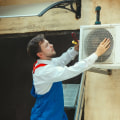
Air duct cleaning, often referred to as vent cleaning, is a crucial aspect of maintaining a healthy indoor environment. Over time, dust, allergens, and other contaminants can accumulate within your air ducts, leading to poor air quality and reduced efficiency of your heating, ventilation, and air conditioning (HVAC) system. Understanding the importance of regular duct cleaning is essential for homeowners who wish to ensure their living spaces remain comfortable and safe.The significance of air duct cleaning extends beyond mere aesthetics; it plays a vital role in enhancing the overall performance of your HVAC system. When ducts are clogged with debris, airflow is restricted, forcing your system to work harder to maintain desired temperatures.
This not only increases energy consumption but can also lead to premature wear and tear on your equipment. By investing in professional duct cleaning services, you can improve airflow efficiency, reduce energy bills, and prolong the lifespan of your HVAC system.Moreover, the health implications of unclean air ducts cannot be overlooked. Contaminants such as mold spores, pet dander, and dust mites can circulate throughout your home, exacerbating allergies and respiratory issues for occupants. Regular vent cleaning helps mitigate these risks by removing harmful particles from your living space.
As we delve deeper into this guide, we will explore the recommended frequency for duct cleaning, the signs that indicate it's time for a professional service, and how to choose the right company for the job.
Why is Vent Cleaning Necessary?
Vent cleaning is not just a routine maintenance task; it is a crucial aspect of ensuring a healthy and efficient living environment. The benefits of vent cleaning extend beyond mere aesthetics, impacting both your health and the performance of your HVAC system.Health Benefits
- Reduction of Allergens: Dust, pollen, pet dander, and other allergens can accumulate in your air ducts over time. When your HVAC system operates, these particles are circulated throughout your home, potentially triggering allergies or respiratory issues. Regular vent cleaning helps to minimize these allergens, promoting better indoor air quality.
- Mold Prevention: Moisture can lead to mold growth within your ducts, especially in humid climates.
Mold spores can be harmful when inhaled, leading to serious health problems. Cleaning your vents regularly can help prevent mold from taking hold and spreading through your home.
- Improved Respiratory Health: For individuals with asthma or other respiratory conditions, clean air ducts can significantly improve their quality of life. By reducing the presence of irritants in the air, vent cleaning can lead to fewer asthma attacks and respiratory complications.
Improved Air Quality
The air quality in your home is directly influenced by the cleanliness of your air ducts. When ducts are clogged with dust and debris, the air that circulates through them becomes contaminated.
This can lead to unpleasant odors and an overall decrease in indoor air quality. Regular vent cleaning ensures that the air you breathe is fresh and free from harmful pollutants.
Enhanced HVAC System Efficiency
- Energy Savings: A clean HVAC system operates more efficiently than a dirty one. When dust and debris build up in the ducts, it forces the system to work harder to maintain the desired temperature. This increased workload can lead to higher energy bills.
By investing in regular vent cleaning, you can improve system efficiency and reduce energy costs.
- Extended Equipment Lifespan: Just like any other appliance, your HVAC system has a lifespan that can be affected by how well it is maintained. Regular vent cleaning helps prevent wear and tear on the system, potentially extending its operational life and saving you money on premature replacements.
How Often Should You Clean Your Air Ducts?
Determining how often to clean your air ducts is crucial for maintaining a healthy indoor environment and ensuring the efficiency of your HVAC system.The National Air Duct Cleaners Association (NADCA) provides a general guideline, recommending that air ducts be cleaned every three to five years. However, this recommendation can vary based on several factors that may necessitate more frequent cleanings.
Factors Influencing Duct Cleaning Frequency
- Age of the HVAC System: Older systems may accumulate dust and debris more quickly. If your system is over five years old and has never been cleaned, it’s advisable to schedule a cleaning sooner rather than later.
- Environmental Conditions: Homes located in dusty areas or those with high levels of pollen may require more frequent cleanings. Seasonal changes can also impact the amount of debris that enters your ducts.
- Presence of Pets: If you have pets that shed fur, you may find that your ducts collect hair and dander more rapidly.
In such cases, consider cleaning your ducts every two to three years.
- Health Concerns: If anyone in your household suffers from allergies or respiratory issues, regular duct cleaning can help reduce allergens and improve air quality.
- Signs of Contamination: If you notice mold growth, pest infestations, or excessive dust around vents, it’s time to call in professionals for a thorough cleaning.
When to Schedule Duct Cleaning
The best times to schedule duct cleaning are typically in the spring or early fall. This timing allows you to clean the ducts after using your heating or cooling systems and before they are put back into service. Regular maintenance, including changing air filters every one to three months, can also help extend the intervals between professional cleanings.In summary, while NADCA's recommendation serves as a solid baseline, individual circumstances will dictate the actual frequency of duct cleaning. By considering factors such as system age, environmental conditions, and health needs, homeowners can make informed decisions about maintaining their air ducts for optimal performance and air quality.
Factors Influencing Duct Cleaning Frequency
Understanding the frequency of vent cleaning is crucial for maintaining a healthy indoor environment.Several factors can influence how often you should schedule air duct cleaning, including the age of your HVAC system, environmental conditions, and specific household characteristics.
Age of the HVAC System
The age of your heating, ventilation, and air conditioning (HVAC) system plays a significant role in determining the need for duct cleaning. Older systems tend to accumulate more dust and debris over time. If your HVAC system is more than 10 years old and has never been cleaned, it is advisable to schedule a professional cleaning as soon as possible. Regular maintenance can help extend the life of your system, but neglecting duct cleaning can lead to inefficiencies and increased energy costs.Environmental Factors
Your home's environment significantly impacts how often you should clean your ducts.For instance:
- Geographical Location: Homes in dusty or polluted areas may require more frequent cleanings due to higher levels of airborne particles.
- Seasonal Changes: During certain seasons, such as spring or fall, pollen and other allergens can infiltrate your home, necessitating more regular duct maintenance.
- Proximity to Construction: If you live near construction sites, dust and debris can easily enter your ducts, increasing the need for cleaning.
Household Characteristics
The characteristics of your household also play a vital role in determining duct cleaning frequency. Consider the following:- Pets: Households with pets often experience higher levels of hair and dander accumulation in their ducts. If you have multiple pets or shedding breeds, consider cleaning your ducts annually.
- Allergies: If anyone in your home suffers from allergies or respiratory issues, more frequent duct cleaning may be necessary to reduce allergens circulating in the air.
- Smoking: If someone in your household smokes indoors, this can lead to a buildup of tar and other particulates in the ducts, requiring more regular cleanings.
Signs That Indicate Your Ducts Need Cleaning
Understanding when to clean your air ducts is crucial for maintaining a healthy indoor environment.There are several signs of dirty ducts that homeowners should be aware of, which can indicate that it’s time for a thorough cleaning.
Visible Dust and Debris
One of the most obvious signs that your ducts need cleaning is the presence of visible dust and debris around your home. If you notice a significant buildup of dust on your furniture, especially shortly after cleaning, this could be a sign that your air ducts are circulating dust throughout your living space. Additionally, if you can see dust or dirt around the vents themselves, it’s a clear indication that your ducts may be clogged.Unpleasant Odors
If you detect musty or unpleasant odors coming from your vents, this could be a sign of mold or mildew growth within your ductwork. These odors can be particularly noticeable when your HVAC system is running.Mold spores can negatively impact indoor air quality and pose health risks, making it essential to address this issue promptly.
Increased Allergies or Respiratory Issues
Another critical indicator that your ducts may need cleaning is an increase in allergy symptoms or respiratory issues among household members. If you or your family members experience heightened symptoms such as sneezing, coughing, or difficulty breathing, it may be due to allergens being circulated through dirty ducts. Dust mites, pet dander, and pollen can accumulate in the ductwork and exacerbate these conditions.Inconsistent Airflow
If you notice that certain rooms in your home are not receiving adequate airflow while others are overly drafty, this could indicate blockages in the duct system. Inconsistent airflow can lead to uneven heating or cooling throughout your home, making it uncomfortable and potentially increasing energy costs.Signs of Infestation
Lastly, if you see signs of pests such as rodents or insects in or around your vents, it’s crucial to have your ducts cleaned immediately.Pests can leave droppings and debris that not only contaminate the air but also pose serious health risks.In summary, being vigilant about these symptoms of duct issues can help you maintain a healthier home environment. Regular inspections and cleanings based on these signs will ensure that your air quality remains high and that your HVAC system operates efficiently.
The Duct Cleaning Process: What to Expect
When you schedule a professional duct cleaning service, it’s essential to understand what the process entails and what you can expect during the appointment. The duct cleaning process typically involves several key steps designed to ensure that your air ducts are thoroughly cleaned and free from contaminants.Initial Inspection
The first step in the duct cleaning process is an initial inspection. A qualified technician will assess your HVAC system and ductwork to identify any visible issues, such as blockages or signs of mold.This inspection helps the technician determine the best approach for cleaning your ducts effectively.
Preparation
Before the actual cleaning begins, the technician will prepare the area. This may involve:- Covering furniture and flooring to protect them from dust and debris.
- Setting up equipment, including vacuum systems and brushes.
- Ensuring that all access points to the ductwork are clear and accessible.
Cleaning Process
The core of the duct cleaning process involves using specialized equipment to remove dust, dirt, and other contaminants from your ducts. Here’s what typically happens:- Vacuuming: A powerful vacuum is connected to your duct system to create negative pressure. This helps pull debris out of the ducts as they are cleaned.
- Brushing: Technicians may use rotary brushes or air whips to dislodge stubborn dirt and debris stuck to the duct walls.
This step is crucial for ensuring a thorough clean.
- Sanitizing: After cleaning, some services may offer sanitization treatments to eliminate any remaining bacteria or mold spores. This step is particularly important if mold was detected during the inspection.
Final Inspection and Recommendations
Once the cleaning is complete, the technician will conduct a final inspection to ensure that all areas have been adequately cleaned. They may also provide recommendations for maintaining your ducts, such as how often to change filters or signs that indicate it’s time for another cleaning.Overall, a professional duct cleaning service can significantly improve your indoor air quality and enhance the efficiency of your HVAC system. By understanding what to expect during this process, you can feel more confident in your decision to invest in vent cleaning.DIY vs.
Professional Duct Cleaning: Which is Better?When it comes to duct cleaning, homeowners often face a choice between tackling the task themselves or hiring a professional service. Each approach has its own set of advantages and disadvantages, making it essential to weigh your options carefully.
DIY Duct Cleaning
Many homeowners consider DIY duct cleaning as a cost-effective solution. With the right tools and some basic knowledge, you can clean your ducts without incurring the expense of hiring professionals. Here are some benefits and drawbacks of this approach:- Benefits:
- Cost Savings: The most significant advantage is the potential for saving money.
You only need to invest in a few tools, such as a vacuum with a long hose, brushes, and possibly a camera to inspect the ducts.
- Control Over the Process: DIY cleaning allows you to set your own schedule and work at your own pace, ensuring that you can address specific areas of concern.
- Cost Savings: The most significant advantage is the potential for saving money.
- Drawbacks:
- Lack of Expertise: Without professional training, you may miss critical areas that require attention or fail to use the correct techniques, potentially leading to incomplete cleaning.
- Safety Risks: Climbing into attics or crawl spaces can pose safety hazards. Additionally, improper handling of duct materials may lead to damage.
Professional Duct Cleaning Services
On the other hand, hiring a professional duct cleaning service offers several advantages that can outweigh the costs involved:- Benefits:
- Expertise and Experience: Professionals are trained to identify and address issues that an untrained eye might overlook. They have the knowledge to handle various duct systems safely and effectively.
- Advanced Equipment: Professional services utilize specialized equipment that can remove debris more thoroughly than standard household tools. This includes high-powered vacuums and rotary brushes designed for deep cleaning.
- Time Efficiency: Professionals can complete the job much faster than most homeowners could on their own, allowing you to return to your regular routine sooner.
- Drawbacks:
- Cost: The primary disadvantage is the expense associated with hiring professionals.
Prices can vary significantly based on location and the size of your home.
- Potential for Scams: Not all duct cleaning companies are reputable. Homeowners must do their research to find trustworthy services, as some may use aggressive sales tactics or provide subpar work.
- Cost: The primary disadvantage is the expense associated with hiring professionals.
Common Myths About Air Duct Cleaning Debunked
When it comes to air duct cleaning, there are numerous myths and misconceptions that can cloud homeowners' understanding of the process and its benefits.Addressing these myths is crucial for making informed decisions about your home’s ventilation system.
Myth 1: Air Duct Cleaning is Unnecessary
One of the most prevalent myths is that vent cleaning is unnecessary. While it’s true that not every home requires frequent duct cleaning, neglecting this maintenance can lead to a buildup of dust, allergens, and even mold. Regular inspections can help determine if cleaning is needed based on your specific environment.
Myth 2: Duct Cleaning Will Improve Air Quality Significantly
Another common misconception is that duct cleaning will drastically improve indoor air quality. While removing dust and debris from ducts can help, it’s essential to understand that air quality is influenced by various factors, including the use of air filters, humidity levels, and overall home cleanliness.
Duct cleaning should be part of a broader strategy for maintaining good air quality.
Myth 3: All Duct Cleaning Services are the Same
Not all duct cleaning services are created equal. Some companies may use outdated methods or equipment that do not effectively clean ducts. It’s important to research and choose a reputable service provider that follows industry standards set by organizations like the National Air Duct Cleaners Association (NADCA).
Myth 4: Cleaning Ducts Will Eliminate Allergies
Many people believe that cleaning their ducts will completely eliminate allergies. While it can reduce allergens present in the ducts, it won’t address other sources of allergens in the home, such as pet dander or pollen.
A comprehensive approach to allergy management includes regular cleaning, proper ventilation, and using high-efficiency air filters.
Myth 5: Duct Cleaning is a One-Time Solution
Some homeowners think that once they have their ducts cleaned, they won’t need to do it again for years. In reality, the frequency of duct cleaning depends on several factors, including household size, presence of pets, and local environmental conditions. Regular maintenance is key to keeping your ducts clean and efficient.By debunking these common myths about air duct cleaning, homeowners can make better decisions regarding their HVAC systems and ensure a healthier living environment.
Maintaining Clean Air Ducts: Tips for Homeowners
Maintaining clean air ducts is essential for ensuring a healthy indoor environment and optimizing the efficiency of your HVAC system. While professional cleaning is recommended every few years, there are several proactive steps homeowners can take to keep their ducts clean between these services.Regular Air Filter Changes
One of the most effective ways to maintain clean air ducts is by regularly changing your air filters.Air filters trap dust, allergens, and other particles, preventing them from circulating through your home. Here are some tips for effective filter maintenance:
- Check Filters Monthly: Inspect your filters at least once a month, especially during peak usage seasons. If they appear dirty or clogged, replace them immediately.
- Choose the Right Filter: Select filters with a MERV rating suitable for your home. Higher MERV ratings capture smaller particles but may restrict airflow if your system isn’t designed for them.
- Follow Manufacturer Guidelines: Adhere to the manufacturer’s recommendations regarding filter replacement frequency, which typically ranges from every 1 to 3 months.
Keep Vents and Registers Clear
Another important aspect of maintaining clean ducts is ensuring that vents and registers are unobstructed.Blocked vents can lead to poor airflow and increased dust accumulation:
- Avoid Furniture Placement: Ensure that furniture or other items do not block air vents. This allows for proper airflow and reduces dust buildup.
- Regular Cleaning: Dust and vacuum around vents and registers regularly to prevent dirt from entering the duct system.
Control Humidity Levels
High humidity can promote mold growth within your ducts, leading to health issues and unpleasant odors. To control humidity levels in your home:- Use Dehumidifiers: Consider using dehumidifiers in areas prone to moisture, such as basements or bathrooms.
- Ventilate Properly: Ensure that areas like kitchens and bathrooms are well-ventilated to reduce moisture buildup.
Schedule Regular Inspections
In addition to regular cleaning practices, scheduling periodic inspections with a professional can help identify potential issues before they become significant problems. A technician can check for signs of mold, pests, or excessive dust buildup in your ducts.By implementing these maintenance tips, homeowners can significantly improve the cleanliness of their air ducts, leading to better indoor air quality and a more efficient HVAC system.Conclusion: Making Informed Decisions About Air Duct Cleaning
In summary, understanding the necessity and frequency of vent cleaning is crucial for maintaining a healthy indoor environment.Throughout this guide, we have explored various factors that influence how often air ducts should be cleaned, including the age of your HVAC system, the presence of pets, and environmental conditions.While the National Air Duct Cleaners Association (NADCA) suggests a cleaning interval of every three to five years, it is essential to recognize that this is a general guideline. Each home is unique, and individual circumstances may necessitate more frequent cleanings. For instance, homes in dusty areas or those with high levels of allergens may require more regular attention.Moreover, if you notice signs of mold growth, pest infestations, or excessive dust accumulation around vents, these are clear indicators that your ducts need immediate professional cleaning. Ignoring these signs can lead to compromised air quality and potential health risks for you and your family.Another important aspect to consider is the maintenance of your HVAC system.
Regularly changing air filters and scheduling routine inspections can significantly extend the time between professional cleanings. By taking proactive measures, you can enhance the efficiency of your system and reduce the likelihood of needing frequent duct cleanings.Ultimately, making informed decisions about air duct cleaning involves assessing your specific situation. Consider factors such as your home’s environment, the age and condition of your HVAC system, and any visible signs of contamination. By doing so, you can ensure that you maintain optimal air quality while also protecting your investment in your home’s heating and cooling systems.In conclusion, while there are standard recommendations for duct cleaning frequency, it is vital to tailor these guidelines to fit your unique circumstances.
Regular maintenance and vigilance will help you make the best decisions for your home’s air quality.